Recently, the situation in the DRC escalated again, adding uncertainty to the market supply of tantalum ore. Once the news spread, industry insiders' bullish sentiment reignited. Can the CIF price of Chinese tantalum ore (Ta2O5≥30%) maintain its upward trend since the beginning of the year and break through the "100 yuan" mark?
News
On November 16, the Ministry of Mines of the DRC stated that the country had extended the ban on mineral trade for 38 small mines affected by conflict in North Kivu and South Kivu provinces for six months, prohibiting mining and export of minerals from the relevant mining areas, and indicated that these mines might face independent audits by the Ministry of Mines or international organizations including the United Nations and the OECD.
This ban, implemented in February this year, will remain in effect due to evidence that illegal supplies from these mines are funding armed groups in the east. These mines produce tantalum-niobium ore, cassiterite, and wolframite (raw materials for tin, tantalum, and tungsten). The extension will increase compliance pressure on the global supply chains for tin, tantalum, and tungsten. The Rwanda-backed M23 rebel group and other armed groups have occupied resource-rich areas in eastern DRC.
On November 23, the Chinese Ministry of Foreign Affairs and the Embassy in the DRC issued an urgent security alert, requiring Chinese citizens and enterprises remaining in high-risk areas of eastern DRC to evacuate immediately, due to frequent armed conflicts and a surge in attacks and kidnappings targeting Chinese citizens.
Market Outlook Analysis
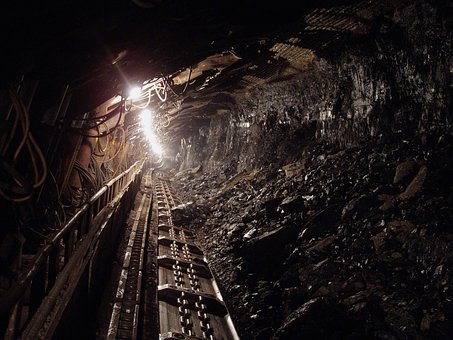
Tantalum-niobium ore is a strategic resource in sectors such as semiconductors and new energy. M23's control over mining areas exacerbates instability in the international supply chain, and mineral interests are at the core of the contention among M23, the DRC government, and neighboring Rwanda, which will further lead to a deterioration of the security situation. The DRC accounts for 43% of global tantalum ore supply, and the border area between North Kivu and South Kivu provinces controlled by M23 is rich in coltan, with the Rubaya Tantalum Mine being one of the largest tantalum mines in the DRC, accounting for 15-20% of global coltan production. The conflict in the DRC will strongly impact the stability of global tantalum ore supply. According to feedback from tantalum ore miners in the DRC, there are significant obstacles in transporting minerals out of the DRC, and communication is still ongoing.
It is worth noting that, according to data from the General Administration of Customs, current imports of tantalum ore from the DRC account for only 9%. Although some tantalum ore from the DRC is smuggled into Nigeria before reaching China, the proportion is unclear. Given that China's import dependence on external tantalum ore is as high as 78%, leading Chinese tantalum smelters have stockpiled in advance to ensure production stability. Public reports indicate that raw material reserves of some leading enterprises can support stable production for one year. Therefore, this news may drive up prices due to tightened tantalum ore supply, but the current market conflict is unlikely to cause a shortage crisis for downstream products.